Spain’s Energy Transition: Progress, Pressure and System Risk

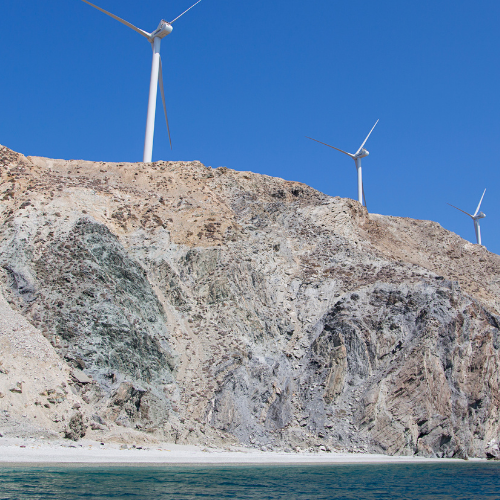
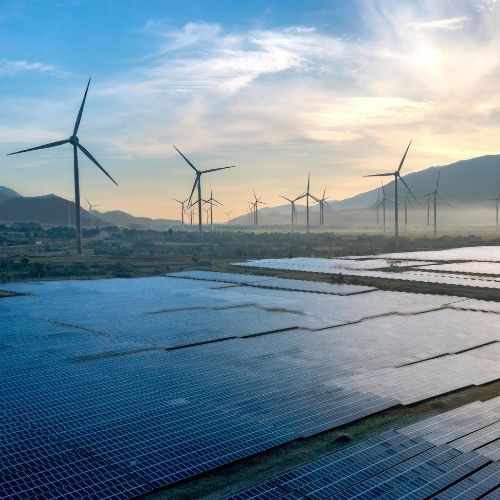
Spain has emerged as one of Europe’s leading renewable energy markets. Rapid deployment of solar and wind generation, combined with reduced exposure to imported gas, has positioned the country as a central case study in the European energy transition.

For policymakers, investors and infrastructure participants, Spain has increasingly been viewed as evidence that decarbonisation and energy security can be pursued simultaneously. Lower wholesale electricity prices, significant renewable capacity growth and continued policy support have reinforced that narrative.

However, the nationwide blackout on 28 April 2025 introduced a more complex discussion.

While initial commentary sought to attribute the outage to the high penetration of renewable energy within the system, subsequent analysis has pointed elsewhere. The incident instead highlighted a broader issue facing multiple European markets: whether grid infrastructure, operational systems and regulatory frameworks are evolving quickly enough to support large-scale renewable deployment.

For lawyers, lenders, insurers and developers, this distinction matters.

The key legal and commercial risks in the energy transition are increasingly moving beyond the question of whether projects can be developed. The focus is shifting toward whether energy systems can operate reliably, flexibly and accountably at scale.

Germany’s Renewable Energy Market in 2026: Growth, Litigation Risk and the Role of Insurance

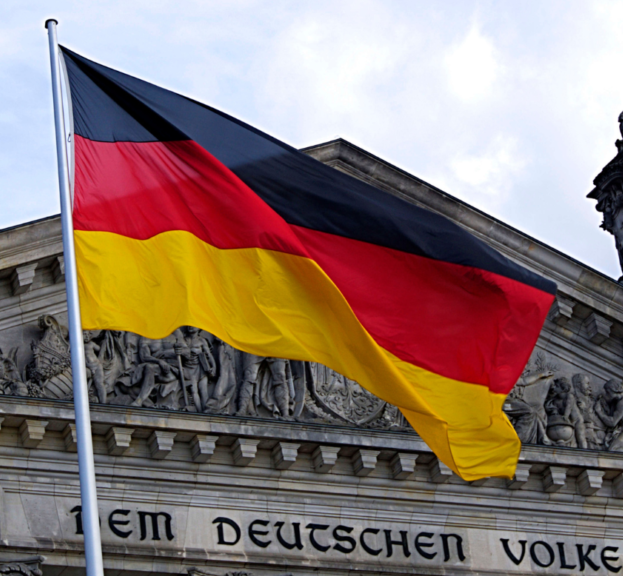
Germany remains one of Europe’s most important renewable energy markets. With ambitious 2030 targets, continued growth in wind and solar, and increasing focus on battery energy storage systems, the direction of travel is clear.

The German market is moving at scale.

Renewable installed capacity increased by nearly 21 GW in 2025, reaching just under 210 GW in total. Renewables also accounted for around 55% of gross electricity consumption, against Germany’s target of 80% by 2030.

For developers, lenders and legal advisers, this creates significant opportunity. However, it also brings a familiar challenge: the gap between policy ambition and project delivery.

Permitting reform may support faster deployment, but litigation risk continues to affect renewable energy schemes. Legal challenges can delay construction, require project modifications and create additional, unbudgeted costs before any final judgment is reached.

For lawyers advising on renewable energy projects, the question is no longer simply whether a permit can be obtained. It is whether the project can withstand the financial consequences of challenge, suspension and interruption.

The EU Renewable Energy Framework Post-2030: What the Consultation Means for Developers and Investors

EU

The European Commission’s consultation on the Renewable Energy Framework beyond 2030 represents a pivotal moment in the evolution of Europe’s energy transition. With renewable capacity having doubled over the past decade, the focus is now shifting from ambition to delivery.
For developers, investors, and stakeholders operating within the renewable energy sector, this consultation is not merely a policy exercise. It is a clear signal that the next phase of growth will be defined by how effectively projects can be executed within an increasingly complex legal and regulatory environment.

Europe’s Scaling Renewable Energy Pipeline: Growth, Complexity and the Challenge of Delivery

Renewables

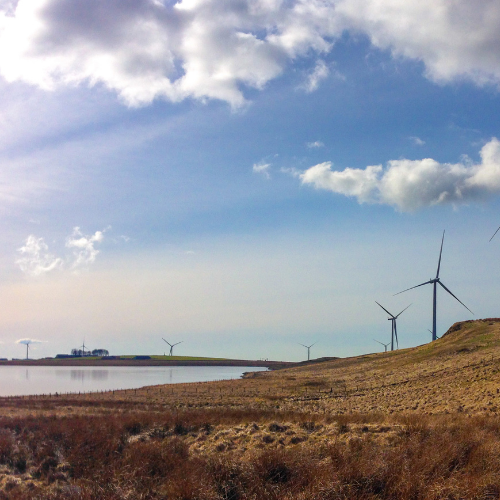
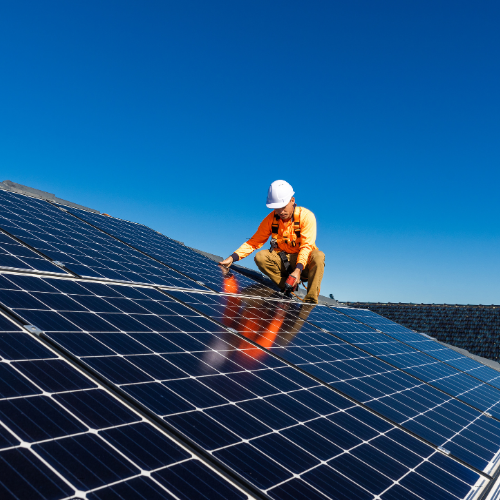
Europe’s renewable energy pipeline is expanding at an unprecedented pace. Across key markets including Spain, Germany, the United Kingdom and France, governments are accelerating deployment through policy reform, tender programmes and structured allocation mechanisms.

This momentum reflects a clear strategic priority: to meet climate targets and secure long-term energy resilience.

However, as the pipeline scales, so too does the complexity of delivering projects on the ground.