
Energy and Water Pressure: Risks to Project Viability
Several factors amplify the risk of legal scrutiny during the planning process:
- Water consumption: Medium-sized data centres may use around 110 million gallons annually for cooling, while hyperscale facilities can consume up to 5 million gallons daily. Notably, in water-stressed areas such as South-East England, proposals such as the Elsham Tech Park hyperscale development have triggered strong objections from Anglian Water, which warned of threats to local water supplies, sewer infrastructure and environmental harm. Similar concerns arose in Culham, Oxfordshire, where an AI Growth Zone near a planned reservoir raised alarm over exacerbated regional water shortages.
- Energy demand: Data centres currently account for around 2.5 per cent of national electricity consumption, with projections rising to 6 per cent by 2030, and potentially nearing the total energy demand of the industrial sector by 2050.
- Planning friction: These sustainability pressures conflict with the government’s push for AI and data centre growth, as seen at Teesworks – the UK’s designated second AI Growth Zone – where energy and water concerns have intensified tensions between technology and energy departments.
Judicial Review Risk: When Environmental Oversight Meets Planning Aspirations
Given the environmental sensitivities, data centre proposals – especially those involving large scale sites or greenbelt land – are exposed to increased risk of planning objections and possible judicial reviews. In locales described as greenbelt, objections focused on openness, visual harm and ecological impact have already succeeded in resisting data centre developments.
This highlights an urgent need for:
- Robust environmental impact assessments – particularly regarding water resource dependency and energy sourcing – to mitigate grounds for legal challenge.
- Transparent sustainability commitments, including renewable energy supply and closed-loop or water-efficient cooling systems.
Projects that fail to substantiate credible mitigation strategies may be vulnerable to legal intervention by residents, regulators, or infrastructure providers.
Renewables: A Strategic Shield and Sustainability Solution
To safeguard project viability and support resilience, developers should prioritise renewable and low-impact energy and cooling strategies. A number of methods present viable paths:
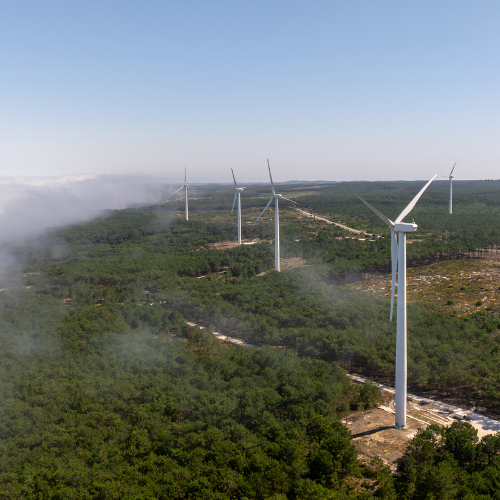
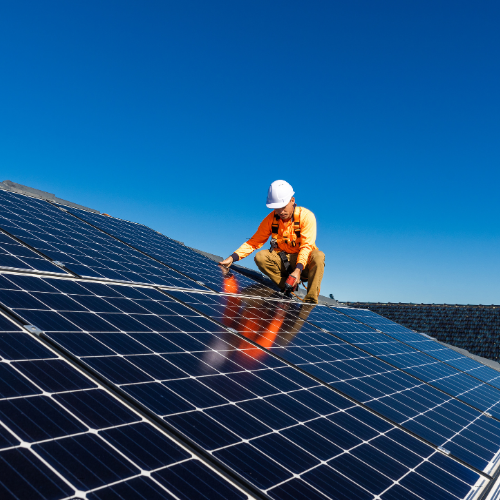
- Renewables commitment: Operators like AWS already back wind and solar projects, but scaled data demand may necessitate supplementary zero-carbon baseload sources such as nuclear power.
- Innovative cooling: Closed-loop systems and largely waterless cooling methods are gaining traction. In fact, 64 per cent of data centres in England now use under 10,000 m³ of water annually – less than a typical leisure centre – thanks to advances like waterless or closed-loop cooling.
- Heat reuse and wastewater: Recycling waste heat into local heating networks or repurposing treated wastewater for cooling can further reduce environmental impact.
Conclusion
As the UK pursues economic and technological leadership through expanding data centre capacity, environmental resilience must remain central to planning and delivery. At Continuum Specialty Limited, we recognise that bespoke indemnity insurance solutions for Judicial Review exposure are vital, but equally so is thorough risk mitigation through renewable energy sourcing and sustainable design.
By partnering with legal, planning and underwriting experts – supported with renewable commitments – developers can advance infrastructure with confidence that their projects are both resilient and defensible.
For tailored risk coverage and strategic support in navigating this evolving landscape, please contact Continuum Specialty.
To explore how Judicial Review insurance can support your clients’ projects, contact our underwriting team at underwriters@continuumspecialty.com