
Spain’s Renewable Energy Position
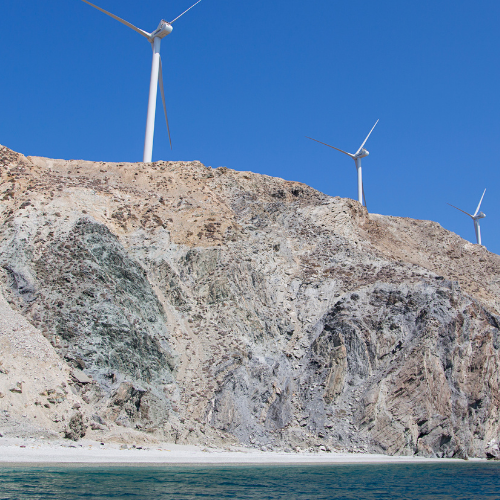
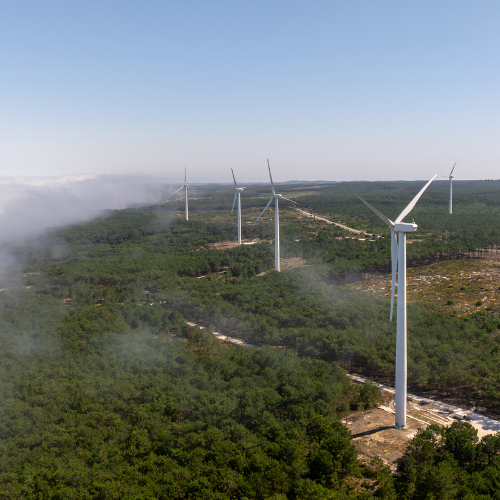
Spain’s renewable energy growth has been substantial.
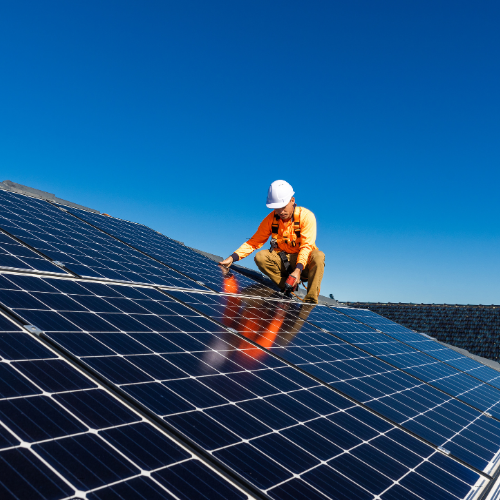
By 2024 and 2025, wind and solar generation regularly accounted for more than 40–50% of electricity generation during peak periods. Strong solar irradiation, favourable market conditions and comparatively efficient permitting processes have supported significant deployment across utility-scale solar and onshore wind.
At the same time, Spain has benefited from lower exposure to gas price volatility than many other European jurisdictions. As renewable penetration increased, wholesale electricity prices remained comparatively competitive, reinforcing the economic case for continued expansion.
This has positioned Spain as both a renewable energy leader and a test case for broader European policy ambitions.
Importantly, the Spanish market has demonstrated that renewable deployment is no longer solely an environmental or political objective. It has become an issue of industrial competitiveness, pricing stability and energy independence.
The Blackout of 28 April 2025
On 28 April 2025, Spain experienced a significant electricity outage affecting large parts of the network.
Initial public commentary focused heavily on the role of renewable generation. Predictably, the outage reignited broader political and market debates regarding intermittency, grid reliability and the pace of the energy transition.
However, early investigations and subsequent technical analysis did not establish renewables as the direct cause of the event.
Instead, reporting pointed toward a combination of:
- Voltage instability within the transmission system
- Real-time balancing and coordination challenges
- Operational and system management failures
- Structural pressures within an increasingly complex electricity network
In other words, the issue was not generation technology itself, but the ability of the broader system to manage rapid transformation.
This distinction is critical from both a legal and regulatory perspective.
The outage highlighted that the transition risk profile is evolving. As renewable penetration increases, system resilience, operational flexibility and infrastructure adequacy become central legal and commercial concerns.
From Deployment Risk to Integration Risk
Historically, renewable energy risk has often centred on planning consent, permitting, subsidy frameworks and project financing.
Those risks remain highly relevant. However, Spain’s experience demonstrates that a further category of risk is becoming increasingly material: integration risk.
This includes:
- Grid congestion and curtailment
- Storage and flexibility constraints
- Interconnection limitations
- System balancing obligations
- Network reinforcement delays
- Allocation of operational responsibility between public and private actors
As systems become more decentralised and dependent on intermittent generation, questions of accountability become more complex.
From a legal perspective, this creates potential for increased scrutiny of:
- Grid operator duties and performance standards
- Regulatory compliance obligations
- Connection agreements and access rights
- Curtailment compensation mechanisms
- Liability allocation following outages or operational failures
These issues are likely to become increasingly contentious as renewable penetration continues to grow across Europe.
Regulatory and Commercial Implications
The Spanish blackout also illustrates how energy transition disputes may evolve in the coming years.
Historically, disputes in renewable markets have often focused on planning permissions, environmental approvals or subsidy reform. Going forward, a greater proportion of disputes may arise from operational performance, grid access and infrastructure adequacy.
For developers and investors, this may increase focus on:
- Grid connection certainty
- Transmission availability
- Curtailment exposure
- System reliability assumptions within financial models
- Allocation of force majeure and operational risk
For lenders, the operational resilience of the wider network may become increasingly relevant to project bankability.
For insurers, system complexity introduces new categories of contingent and interconnected risk exposure.
At the same time, regulators are likely to face increasing pressure to modernise frameworks governing:
- Grid investment obligations
- Flexibility and storage deployment
- System balancing responsibilities
- Interconnection development
- Risk allocation across market participants
In this sense, Spain’s experience may not be an isolated event, but rather an indication of the legal and regulatory challenges likely to emerge across multiple high-renewable jurisdictions.
Permit Challenge Risk Remains Central
Despite increasing attention on operational and integration issues, permitting and challenge risk remains one of the most significant barriers to renewable energy delivery.
Even in relatively mature renewable markets such as Spain, projects remain exposed to:
- Judicial review proceedings
- Administrative appeals
- Environmental and planning challenges
- Delays arising from third-party objections
- Regulatory uncertainty during policy evolution
These challenges can create significant commercial consequences long before a final legal determination is reached. Financing timelines, construction programmes and contractual arrangements can all be affected by prolonged disputes or suspended permits.
At Continuum Specialty, we work with developers, lenders and investors through our Permit Challenge Insurance solutions to help manage these risks.
In markets experiencing rapid regulatory and infrastructure evolution, legal risk transfer mechanisms are becoming increasingly important in supporting project certainty and investment confidence.
As the energy transition accelerates, the interaction between permitting risk, operational resilience and regulatory accountability will become increasingly interconnected.
Conclusion
Spain remains one of Europe’s strongest renewable energy markets.
The events of 28 April 2025 did not undermine the long-term direction of travel. If anything, they reinforced the scale of the challenge involved in transforming complex energy systems at pace.
The next phase of the transition will not be defined solely by renewable deployment targets or generation capacity figures. It will be defined by whether infrastructure, regulation and operational systems can evolve quickly enough to support them.
For lawyers, insurers, lenders and infrastructure participants, this creates a rapidly evolving risk landscape.
The conversation is moving beyond whether renewable projects can be built.
The more important question is whether the systems around them are prepared for what comes next.